Food Blog Dot Com

Food Blog Dot Com is written
by Lin Ennis, a writer passionate
about good food, healthful
food and food as medicine.

( Food Lovers Only )

MOST NUTRITIOUS

What is the world’s most-nutritious food? I wondered, so I Googled it. The answers convinced me that isn’t the right question. Here are results from just the first page of Google search: wolfberry, milk, spirulina, prunes, prunes (2 listings, different sources) and idly. Noticeably absent from this list are avocados, bananas and chia seeds. (Of course, there are reasons a webpage receives top ranking in Google that may have little to do with the content on that page, but the ranking does show popularity of the site for the phrase “most nutritious food”.) One of the holistic health writers I followed as a young person said “Apples are the best food.” I questioned that. Looking into it further, I discovered the context involved availability and storability–both key factors when she wrote in the early 20th century, and much less so today. But this does make the point that convinced me searching for the “most nutritious food” is misguided. What is best for you to eat is something that is: Where you live seems to be the first consideration when considering a “world’s best food.” If goji berries grow outside your front door, eat them! Some countries, like the United States, have access to exotic foods from all over the world. Myriad companies are selling fruits, both dried and juiced, that were unknown in the West 15 years ago. Supermarket cashiers are no longer expected to know what kind of pear or squash is rolling across their scanner–the varieties are so great, each item has a code number. What is the most-nutritious food you currently eat? I’d like to hear about it in the comments below and get some discussion going. Or is there something you aspire to add to your diet but you haven’t yet?
MUSHROOM RAVIOLI

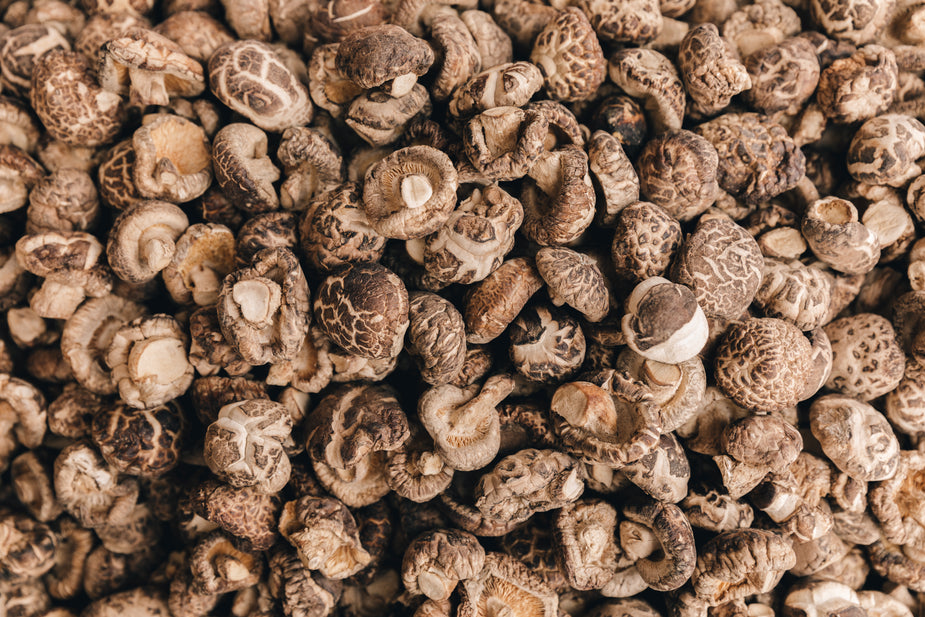
Safeway Organics says, “Organic Wild Mushroom & Cheese Ravioli – 10 Oz We start with organic pasta, then fill it with organic portobello and porcini mushrooms, whole milk ricotta, parmesan and romano cheeses, and a little balsamic vinegar. USDA organic. Certified organic by Quality Assurance International.” Making a truly indulgent dinner, we sauteed about 4 ounces of chopped Baby Bellas (portabello mushrooms) in 2 Tbsp butter. Not wanting to buy or make an Alfredo sauce (watching calories), we used a packet of dried Stroganoff mix over the mushrooms. Instead of a cup of sour cream, we added the remainder of a cup of non-fat Greek Yogurt (Fage) and a bit of the boiling water from the ravioli cauldron. We steamed a gorgeous bundle of fat asparagus spears until completely tender, yet still bright green. An Organics mixed greens salad with avocado, tomato and green onion added, along with an Organics red wine vinaigrette filled out our plates, making for a totally delicious repast including sweet, sour, salt, bitter and decadent satiety with the butter-sauteed mushrooms in light brown sauce. I’m not trying to trumpet Safeway or their new Organics brand particularly, but they’ve recently upsurged their organic product line, and it’s worth noticing if you’re health-minded and frugal, both of which I am. (In fact, I got five pounds of organic red delicious apples for under $3.00–the price of about two other-branded organic apples!) Are you a fan or organic food? Have you tried any of Safeway’s? What can you add to this discussion of ravioli, asparagus and spring greens salad?

BROWN RICE

Another new discovery I made recently is precooked organic brown rice, tucked away in the frozen food aisle of Safeway of all places! Part of Safeway’s new “Organics” line, it’s so new it isn’t even on their website yet! Three microwavable pouches come in each box. While the package lists each pouch as 2 servings, one cup of brown rice would be four points in Weight Watchers, so I prefer to divide a pouch into at least three servings. The rice is grown in Northern California’s Sacramento Valley, by farmers committed to sustainable practices. The best part about it is it is not genetically modified. No, the best part about it is I can have rice when I think of it, instead of needing to think of it 45 minutes to an hour before I want it!  It is prepared without salt or added fat. The 10 calories of fat per cupful are naturally-occurring. Now you know what to serve your Napa cabbage stir fry with 5-spice powder over!

5 SPICE POWDER

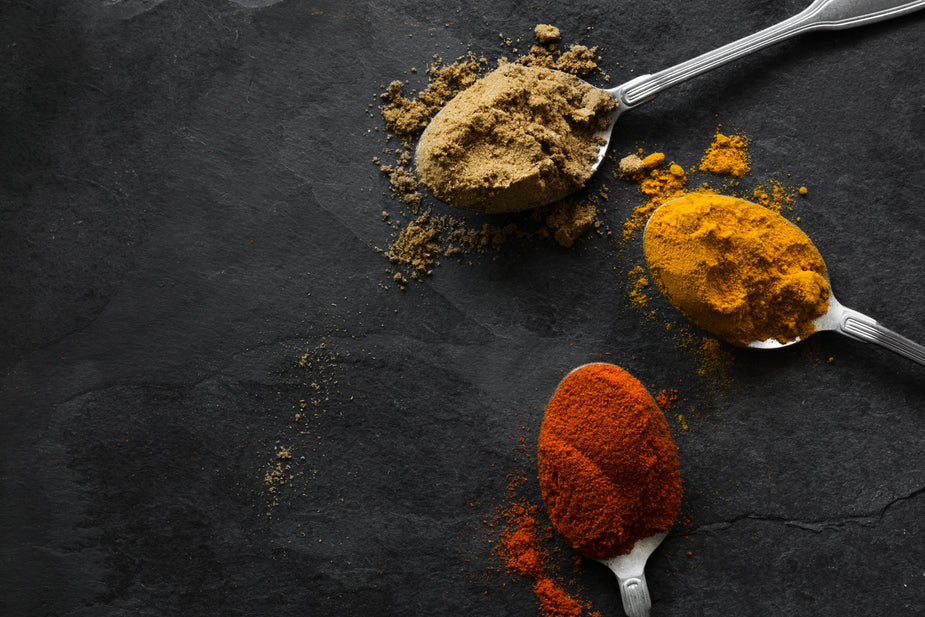
Part of my new love affair with Napa Cabbage is learning about 5 Spice Powder. I had not heard of it till I Googled “napa cabbage recipes,” but since I had on hand acceptable ingredients for making it, I did, using this 5 Spice Powder recipe. I didn’t measure exactly, substituted ordinary peppercorns which I did not roast, used regular anise seeds, powdered cinnamon, and pulverized my seeds in a marble mortar with a pestle. But I love it anyway! Imagine how tasty it could be if one used the correct ingredients! My pal Richard said it’s important to use a seed grinder or a coffee mill dedicated to spices (he uses the coffee mill, and never buys preground spices). That encourages me to try again. I have bought more whole spices since getting a mortar and pestle for Christmas last year. Even spices already in small pieces, like crushed red pepper flakes, perk up when pulverized just before adding to a dish (sometimes I add the salt the recipe calls for to whatever I’m crushing in the mortar, especially if the spice is a very small amount). You can buy 5 Spice Powder commercially prepared, but Richard says the flavors of making it from whole ingredients are worth buying the ingredients and making it fresh yourself. One note on the recipe I linked to above that I disagree with is “use sparingly.” I added enough to my stir fry to smell good, but had to sprinkle on a little more as I ate in order to enjoy flavor-fullness. However, the author makes a good point about hitting all the taste buds: “sweet, sour, bitter, pungent, and salty.” I don’t see anything in the 5 spice powder recipe that strikes me as sour, but if you put a little vinegar on your stir fry, I suppose that would do it. For decades I’ve tried to hit “sweet, sour, salt, bitter” in a well-balanced meal. Touching these four (or five) taste points makes a meal more satisfying. That’s one reason I love Indian food so. It’s all there! If five spice powder is new to you, try it. If you know more about it than I do (which probably everyone in the world does), I’d like to hear from you n that, too!

NAPA CABBAGE

My new favorite vegetable is Napa cabbage, sometimes called Chinese cabbage. I’ve ventured to try it only recently, and it is a delight both to cook and to eat. Napa cabbage is a cultivar of Brassica rapa, a wild mustard. Compared to common head cabbage (Brassica oleracea), it is milder tasting, greener all the way through the head, and less likely to go mushy on the way to being cooked tender. I think of it as sort of a cross between lettuce and cabbage, which of course it isn’t, but it does have lettuce-like qualities, such as being very leafy, unlike common head cabbage that is more dense and has a larger core. I did a quick stir fry with onion, garlic, celery, carrots and 5-spice powder. Five-spice was new to me, too. I’ll do a separate blog on that. Another time, I simmered sliced cabbage leaves and garlic with a can of Mexican style stewed tomatoes and Morningstar Farms burger crumbles–a quick, nurturing and delicious lunch. Napa cabbage seems to produce less waste, because more of the vegetable is edible. Another reason to love Napa cabbage is it doesn’t stink up the kitchen or the refrigerator.